
Why Did Instagram Change Dates to Weeks?
Imagine a virtual world where the passage of time is more akin to a dance than a march, in which the weeks instead of the months dictate the tempo.
Instagram has created a symphony of change, turning the static ticking of dates into the dynamic pulse of weeks in its ever-changing city of social media.
However, what prompted this change in thinking? For some reason, Instagram has decided to track the passing of time in weekly rather than daily increments.
Come along with us as we explore the origins of Instagram’s radical break with tradition and delve into its historical development.
So, if you face this question, “Why Did Instagram Change Dates to Weeks?” follow the tips and details in this article with us.
What are the reasons that Instagram changed dates to weeks?
The choice made by Instagram to switch from showing dates to weeks in specific settings might be ascribed to several different considerations, including the following:
1. Simplification & Streamlining
Instagram is trying to streamline and simplify the user experience by moving the time display from particular days to larger weekly intervals.
Users may more easily absorb information at a glance because this simplified method lowers clutter and cognitive burden.
2. Focus on Trends & Patterns
Instagram focused on trends and patterns to change dates to weeks. Weekly intervals provide a more comprehensive view of patterns and trends in user activity, content performance, and engagement, allowing you to focus on what’s important.
Instagram gives consumers better information for strategic decision-making and content optimization by displaying patterns across weekly intervals.
3. Focus on Consistency & Regularity
Planning and analyzing content at weekly intervals fosters consistency and regularity, and this causes the Instagram app to change its algorithm dates to weeks.
This change is in line with best practices for having an active and engaged presence on the platform, and it encourages artists and companies to publish in a more organized way and analyze their success.
4. Alignment with Algorithmic Changes
In keeping with algorithmic updates, Instagram’s algorithmic timeline can give more weight to posts that have been popular for a while, measured in weeks rather than days.
Insights shown at weekly intervals should more accurately represent the algorithmic focus on engagement metrics measured over more extended periods.
5. User Feedback & Data Analysis
Instagram takes user input and data analysis very seriously, using it to guide platform updates.
Instagram can prioritize this adjustment if data shows that weekly intervals offer more valuable insights or users prefer to see insights in weekly increments.
A comprehensive guide on how to find the post’s exact date on Instagram
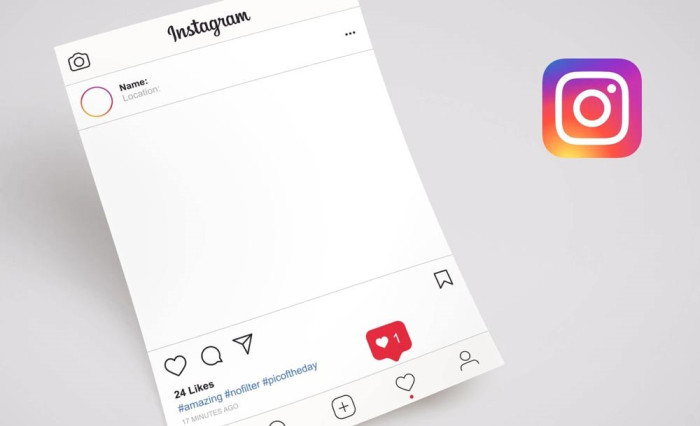
If you want to analyze your content strategy on Instagram, keep track of milestones, or look back on good times, you can find out the actual date of a post on Instagram.
To determine the exact date of an Instagram post, below is a detailed guide:
- If you want to use Instagram, you can either open the app on your phone or go to the website on your computer.
- Find the post whose precise date you’re looking for. You can use the search bar, peruse your profile, or go through your feed.
- Find the post you want to see in full-screen mode by tapping on it. To access the post on a desktop browser, click it on Instagram.
- In most posts, the three dots (ellipsis) symbol is in the upper right corner. To access more choices, tap this symbol. In most cases, these choices will become visible when you move your mouse pointer over the post on Instagram’s website.
- Find and hit the “View Insights” option in the menu that pops up when you touch the three dots symbol. Posts made by Instagram businesses or creator accounts are the only ones with this option. Post insights are not available on personal accounts.
- After seeing the post insights, scroll down for more specific metrics and data about the article’s performance.
- You can see the post’s publishing date toward the bottom of the insights page. This data includes the time and date of the Instagram post’s sharing.
- To find out exactly when the post went live on your Instagram account, make a mental note of the date that appears.
To get the actual date of someone else’s post, or if you can’t access post insights on Instagram, you can resort to external means like manually scrolling through their feed or utilizing third-party apps.
Also, if a post was posted long ago, Instagram cannot show you the date. When this happens, you’ll have to make do with best guesses based on the other contextual data the platform provides.
Conclusion
One thing is becoming crystal evident as we say goodbye to Instagram’s daily dates and hello to its weekly rhythms: this transition is about more than just timekeeping; it reflects the platform’s dedication to flexibility and user experience.
When seen from a weekly perspective, Instagram provides a window into trends, engagement, and content strategy. It challenges us to think about time differently in a way that promotes organization, regularity, and originality.
So, come along as we set sail, swimming against the currents of social media with an open mind and a willingness to change with each passing week as Instagram reshapes the online world.
So, what do you think about Instagram changing dates to weeks as the business owner or creator on Instagram?
Please share your thoughts with us in the comment section.






Leave a Reply